Electric cars are supposedly greener, but can lower income households and students get on this band wagon? (or do we still have to get the bus?)
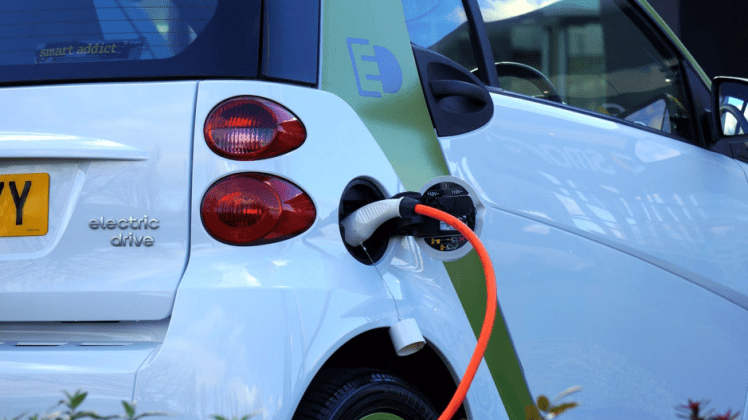
From the very birth of automobiles, they have been designed to be owned and driven by the masses. Henry Ford, one of the pioneers of the assembly production line method and designer of the Model T automobile famously said ‘’I will build a car for the great multitude…when I’m through everybody will be able to afford one’’-Henry Ford.
Henry Ford’s vision became a reality. In the UK alone over 77% of households own a car. (source)
What are the Environmental impacts of petrol & diesel cars?
Petrol and diesel car pollution is one of the major causes of global warming. These types of vehicles produce both gasses and solid matter, which lead to a range of negative externalities. Acid rain, air pollution and noise pollution are among the list, which contributes to the 4.6million deaths per year due to air pollution.
How does my car kill the planet?
- Produces nitrous oxide which depletes Earth’s Ozone layer
- Produces (sulphur dioxide & nitrogen oxide) acid rain which leads to vegetation and building damage.
- Contaminates soil and other parts of complex ecosystems through spills and emissions. (source)
Cars are without a doubt, are an expensive asset to own and use. In Britain, on average it costs motorists £1,679.60 per year in running costs alone to use their vehicles. For many young people and students sometimes, this can simply be out of reach. This creates a higher demand for older vehicles with smaller engine capacity’s within said demographics. But can this category of people buy cars which they are able to financially which also have a reduced environmental impact?
I, like many other students, have scraped the bottom of the barrel of second-hand vehicle websites such as Autotrader, Gumtree and Facebook marketplace searching for a good deal. Inexpensive to buy, cheap to run, cheap to insure and with as few miles as possible are the usual criteria.
Students in the UK spend on average £44 per week on travel. With rent prices increasing nationally and the difference between the average living cost per month for students and the average maintenance loan gap widening, many thrifty students are considering Electric vehicle (EV) alternatives and hybrids due to the substantially cheaper running costs . However, many deem them to still be out of many young people’s reach.
But are they really out of reach?
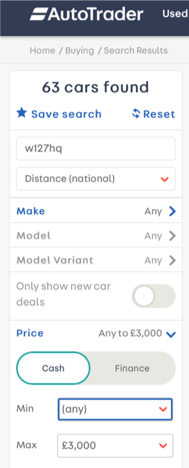
From a basic search on Autotrader, (arguably the UK’s most popular second-hand motoring website) the results were interesting.
My initial search included a budget of up to £2,500 and a distance to search nationally. I was disappointed. The search came back with just 21 cars being available, all with substantially high mileage.

However, after increasing the budget to £3,000 (I know, a number which could be a stretch for many students) the results were far more promising. Some 63 cars were available with some having considerably lower mileage. It gave me hope.
4 top tips on what to look out for when buying:
- Low mileage (just like when buying a diesel/petrol car)
- Service history stamps
- How often and how the vehicle has been charged. If it has been charged using rapid charger points twice a day it can degrade the vehicle’s battery by 1% per annum.
- Longer home charging methods reduce the degradation of a vehicle’s battery. (All of the tips above can be checked by a mechanic with a diagnostics tool)
Although the upfront cost of buying an electric car is still high in comparison to a second-hand petrol/diesel alternative, the long-term costs – due to such a decrease in overall running costs and other benefits, do outweigh the cost – in the grand scheme of things.
 Confessions of a Climate Change Freak